What Is a Mortise Lock — and Why Does It Fail Differently Than Other Hardware?
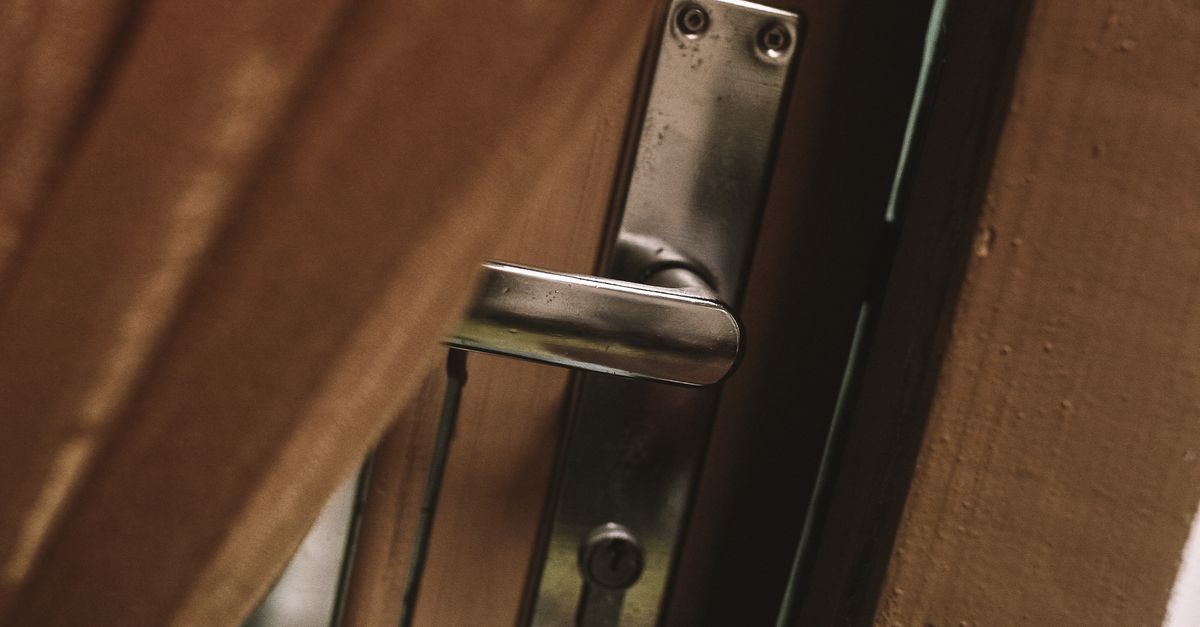
A mortise lock differs fundamentally from a cylindrical lockset: instead of a simple bored hole, installation requires a deep rectangular pocket (the mortise) cut into the door's edge to house the lock body. That body contains multiple moving components — a latch bolt, a deadbolt, follower spindles for the trim handles, and a cam mechanism that translates cylinder rotation into bolt movement. Because so many parts share one enclosure, a failure in any one of them can disable multiple functions at once. A broken cam, for example, may let the key turn freely while the deadbolt stops moving entirely. A worn follower spindle can make the lever handle feel loose while the latch still works — until it doesn't. Unlike swapping out a simple door knob lock, diagnosing and repairing a mortise lock body correctly requires disassembly, measurement, and knowledge of which replacement components are compatible with the original casting.
Common failure points we see in Carmel Hamlet include corrosion in older iron-body locks exposed to decades of New York winters, worn case screws that allow the body to shift inside the door edge, cracked plastic followers on updated hardware, and cylinders that have simply worn past the point of reliable keying. Doors on lakeside properties or homes set back on wooded lots — common throughout this part of Putnam County — often show accelerated wear from humidity and freeze-thaw cycles. Our technicians identify the actual failure point rather than defaulting to a full lock replacement when a targeted repair will restore full function.